

Introduction: A Paradigm Shift in Power
In the unfolding narrative of the 21st century, few ideas carry as much hope and urgency as green energy. As the climate crisis tightens its grip and fossil fuels wane in both supply and favor, the world finds itself compelled to seek alternatives that are not only viable but transformative. Green energy—power derived from natural, renewable sources—has emerged not merely as a substitute but as a beacon of progress, sustainability, and responsible stewardship of our planet’s finite resources.
Understanding Green Energy: More Than Just Renewable
At its essence, green energy encompasses energy sources that are renewable and cause minimal environmental impact during production and use. Unlike conventional fossil fuels, which release vast quantities of greenhouse gases and pollutants, green energy harnesses the Earth’s inherent systems—sunlight, wind, water, and even geothermal heat—to generate clean power. This pivot redefines the way we fuel industries, light cities, and move people and goods across continents.
The Pillars of Green Energy: Sources that Sustain
Green energy is not a monolith but a tapestry woven from diverse sources, each with unique strengths and applications.
-
Solar Energy: Perhaps the most emblematic of green technologies, solar power converts sunlight directly into electricity through photovoltaic panels or concentrates it to generate thermal energy. Once prohibitively expensive, advances in technology and manufacturing have made solar increasingly accessible, turning rooftops and vacant lots into miniature power plants.
-
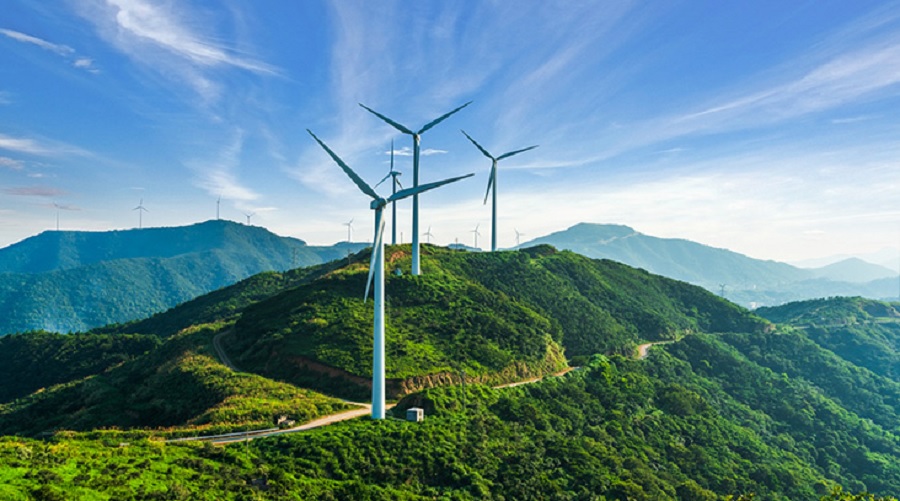
Wind Energy: From the sweeping plains to offshore expanses, wind turbines capture kinetic energy and transform it into electricity. Modern wind farms, with towering blades and sophisticated designs, supply significant portions of national grids in countries like Denmark, Germany, and the United States.
-
Hydropower: One of humanity’s oldest renewable sources, hydropower uses the force of flowing or falling water to spin turbines. While large dams raise concerns about ecological disruption, small-scale and run-of-river projects provide clean, reliable energy with reduced environmental footprints.
-
Geothermal Energy: Tapping the Earth’s internal heat, geothermal plants produce steady, base-load power. Countries like Iceland showcase geothermal’s potential, using it to heat homes and generate electricity in a climate-friendly manner.
-
Biomass: Organic material—crop residues, wood waste, and even algae—can be converted into bioenergy through combustion or biochemical processes. When sourced sustainably, biomass offers a renewable complement to other green technologies.
Economic Implications: Fueling Prosperity Without Pollution
A common misconception is that transitioning to green energy hinders economic growth. In reality, the opposite holds true. Renewable energy industries are labor-intensive, generating jobs in manufacturing, installation, maintenance, and innovation. According to the International Renewable Energy Agency (IRENA), millions of jobs have already been created worldwide, with projections indicating exponential growth in the coming decades.
Moreover, green energy offers price stability. While fossil fuel markets are notoriously volatile, the sun and wind do not fluctuate with geopolitical tensions. Once the infrastructure is in place, operational costs are relatively low, insulating economies from the booms and busts of oil and gas cycles.
Environmental Imperative: A Pathway to Climate Stability
Beyond economics, the environmental case for green energy is irrefutable. Burning fossil fuels remains the dominant driver of greenhouse gas emissions, which trap heat and disrupt weather systems globally. Green energy breaks this link by providing power without the carbon burden. Every megawatt generated from solar panels or wind turbines displaces emissions that would otherwise accelerate warming, melting glaciers, and rising seas.
Transitioning to renewables also alleviates other environmental pressures—reducing air pollution that claims millions of lives annually, curbing water use in power generation, and limiting habitat destruction often associated with resource extraction.
Challenges on the Horizon: Obstacles to Overcome
While the promise of green energy is undeniable, its path is not without challenges.
-
Intermittency: Solar and wind power depend on weather and daylight, leading to fluctuations in supply. Advances in battery storage, grid management, and hybrid systems are essential to ensure stable energy delivery.
-
Infrastructure: Shifting from centralized fossil fuel plants to distributed renewable systems demands significant investment in grid modernization, storage solutions, and smart technologies.
-
Resource Use: Some green technologies, such as battery production, require rare earth metals and minerals, raising questions about mining practices and supply chain ethics.
-
Policy and Political Will: Effective transition relies on supportive policies, long-term planning, and the political courage to phase out entrenched fossil fuel subsidies and interests.
Innovations Lighting the Way: Technology Meets Ingenuity
The renewable revolution thrives on innovation. From ultra-efficient solar cells that convert more sunlight into electricity to offshore wind turbines taller than skyscrapers, technological breakthroughs continue to expand what is possible. Battery storage, exemplified by the rapid evolution of lithium-ion and emerging solid-state technologies, is bridging the intermittency gap. Smart grids and AI-driven energy management systems promise to optimize supply and demand seamlessly.
Community-driven microgrids, peer-to-peer energy trading, and building-integrated photovoltaics represent creative solutions that decentralize power generation and place energy sovereignty in the hands of individuals and communities.
The Role of Individuals: A Collective Contribution
Large-scale transformation begins with small-scale actions. Individuals can advance the green energy agenda through choices that ripple outward.
-
Install rooftop solar panels where feasible.
-
Opt for green energy providers or participate in community renewable programs.
-
Reduce energy consumption through efficiency—LED lighting, proper insulation, and energy-conscious appliances.
-
Support policies and leaders committed to climate action.
-
Advocate for local renewable projects and community energy co-operatives.
Each decision signals demand for cleaner power, encouraging markets and policymakers to accelerate the transition.
Conclusion: Powering a Greener Tomorrow
Green energy is not a distant ideal; it is an unfolding reality reshaping how humanity powers its aspirations. It embodies the intersection of innovation, responsibility, and hope. By investing in renewables, we invest not only in a cleaner environment but in economic resilience, social equity, and intergenerational justice.
The emerald revolution calls for courage—courage to dismantle the old and embrace the new, to acknowledge past excesses and chart a course defined by stewardship rather than exploitation. In the sunlight that warms our rooftops and the winds that dance across our fields lies an abundant, inexhaustible gift. It is ours to harness wisely, ensuring that the promise of green energy illuminates not just our cities but the conscience of a world ready to thrive in harmony with nature’s timeless rhythms.
