

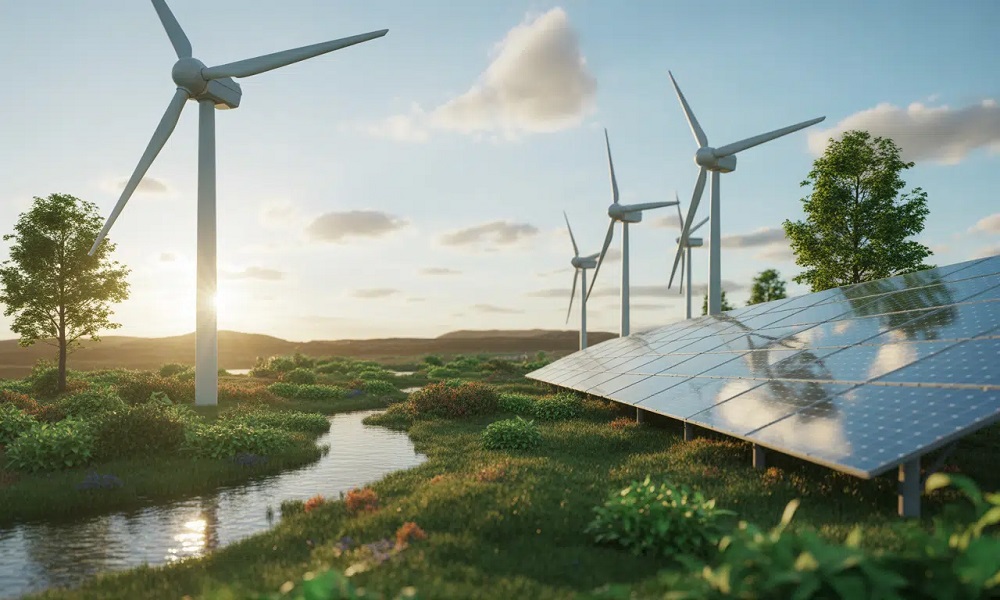
The transition to clean energy is no longer restricted to large utility companies, municipal projects, or major industrial facilities. Today, individual households hold immense power to drive the global shift toward sustainability. Adopting green energy at home does not require an immediate, capital-intensive overhaul of your living situation. Instead, meaningful environmental change occurs through a spectrum of intentional choices, ranging from simple behavioral shifts and low-cost efficiency upgrades to strategic home technology investments.
Embracing renewable energy and improving energy efficiency lowers household utility bills, reduces reliance on fossil fuels, and minimizes your personal carbon footprint. By taking a structured, practical approach to household energy management, anyone can seamlessly integrate sustainable power habits into daily routines.
Optimizing Household Energy Efficiency First
Before investing in renewable power generation hardware, the most effective first step is reducing overall energy demand. Efficiency is the cleanest and cheapest form of energy. Eliminating power waste ensures that any green energy you subsequently purchase or generate goes directly toward necessary, optimized household functions.
Conducting a personal energy audit helps identify where electricity and thermal energy are being lost.
-
Audit Household Air Leaks: Unsealed window frames, door sweeps, electrical outlets, and attic hatches allow conditioned air to escape while letting untreated outside air inside. Sealing these gaps with weatherstripping, caulk, and expanding foam drastically reduces heating and cooling demands.
-
Upgrade to LED Lighting: Replacing remaining incandescent, halogen, or compact fluorescent bulbs with modern light-emitting diodes (LEDs) reduces lighting electricity consumption by up to 80 percent. LEDs operate at cooler temperatures and last significantly longer, preventing frequent replacement waste.
-
Manage Phantom Power Loads: Many household electronics, including televisions, game consoles, microwave displays, and device chargers, continue drawing electricity even when turned off. Plugging these items into smart power strips that automatically cut power during idle periods eliminates unnecessary baseline consumption.
-
Maintain HVAC Equipment: Replace air filters regularly in central heating and cooling units. Clean filters ensure proper airflow, preventing system motors from overworking and consuming excess power.
Transitioning to Renewable Power Supplies
Once basic efficiency measures are established, you can focus on sourcing clean electricity directly for your daily household needs. Homeowners and renters alike have multiple pathways to access green power without needing specialized technical skills.
Enrolling in Green Power Programs Through Utility Providers
Many municipal and investor-owned electric utilities offer green power pricing options or renewable energy tariffs. Enrolling in these programs allows customers to purchase a portion or 100 percent of their electricity from renewable sources such as local wind farms, solar arrays, or low-impact hydro plants. The utility company manages the grid integration, while you pay a small, stable premium to ensure your power draw is offset by clean generation.
Joining Community Solar Initiatives
Community solar projects provide a practical alternative for renters, apartment dwellers, or homeowners whose roofs are shaded or structurally unsuitable for solar panels. By subscribing to a local community solar farm, you purchase or lease a share of the energy produced by a off-site solar array. The electricity generated feeds directly into the local grid, and you receive power credits applied directly to your monthly electric bill.
Installing Residential Rooftop Solar Systems
For homeowners with clear, unshaded roof space, installing rooftop solar photovoltaic (PV) panels provides long-term energy independence. Solar panels convert radiant sunlight directly into electricity, powering your home during peak daylight hours. Excess energy can be stored in residential battery banks or fed back into the local grid through net metering programs, providing financial credits while supporting community-wide clean energy availability.
Modernizing Home Heating, Cooling, and Water Systems
Space conditioning and water heating account for the vast majority of residential energy consumption. Replacing legacy fossil fuel appliances with high-efficiency electrical alternatives is a cornerstone of daily green energy adoption.
-
Install Heat Pump Systems: Modern air-source heat pumps provide both heating and cooling by transferring thermal energy rather than creating heat through combustion or electric resistance. Heat pumps operate at up to three to four times the efficiency of traditional gas furnaces or electric baseboard heaters, drastically lowering power consumption.
-
Transition to Heat Pump Water Heaters: Hybrid heat pump water heaters pull ambient heat from the surrounding air to heat domestic water, using a fraction of the electricity required by standard resistance water tanks.
-
Deploy Smart Thermostats: Smart climate controllers learn your family’s daily routines, lowering heating or cooling levels automatically when the house is empty or when occupants are asleep. Intelligent programming prevents wasteful conditioning of unoccupied space.
Sustainable Transportation Habits
Transportation remains one of the largest personal sources of carbon emissions. Transitioning daily commuting and errand routines toward cleaner alternatives completes a comprehensive home green energy strategy.
Transitioning to Electric Mobility
Electric vehicles (EVs), plug-in hybrids, and electric bicycles (e-bikes) convert stored electrical energy into physical motion far more efficiently than internal combustion engines. Charging an EV with electricity sourced from renewable grid programs or home solar arrays eliminates tailpipe emissions completely. For shorter neighborhood trips and daily commutes, e-bikes offer an extremely low-energy transport alternative that reduces traffic congestion and parking demands.
Optimizing Daily Driving Behavior
If you currently drive a conventional gas vehicle, adopting efficient driving techniques reduces fuel consumption immediately. Smooth acceleration, maintaining steady speeds with cruise control, avoiding prolonged idling, and keeping tires inflated to recommended pressures maximize fuel economy and lower environmental impact while you transition toward electric mobility options.
Frequently Asked Questions
Can renters adopt green energy practices if they cannot modify their building?
Yes. Renters can enroll in utility green power tariffs, subscribe to community solar projects, switch to LED light bulbs, use smart power strips to stop phantom loads, and install temporary window insulation films. These measures significantly cut energy waste and support renewable power without requiring structural landlord approvals.
How do I know if my roof is suitable for residential solar panels?
A roof is generally suitable for solar if it receives direct, unshaded sunlight for most of the day, faces south or west, is structurally sound, and has sufficient unobstructed surface area. Professional solar installers conduct free site assessments using satellite imaging and shading tools to evaluate suitability accurately.
Are electric heat pumps effective in extremely cold winter climates?
Yes. Advanced cold-climate air-source heat pumps utilize variable-speed compressors and specialized refrigerants to efficiently extract thermal energy from outside air even when ambient temperatures drop well below freezing, eliminating the need for fossil fuel backup in most residential regions.
What is net metering, and how does it benefit residential solar users?
Net metering is a billing mechanism that credits solar system owners for the excess electricity their panels send back to the local power grid. During sunny periods when solar generation exceeds home consumption, the electric meter runs backward, providing financial credits that offset the cost of electricity drawn from the grid at night.
How much energy do smart power strips actually save in a typical home?
Smart power strips eliminate standby or phantom loads, which typically account for 5 to 10 percent of total residential electricity consumption. By automatically shutting off power to peripheral devices like sound systems, printers, and gaming consoles when main devices are turned off, smart power strips yield immediate, noticeable power savings.
What is the difference between purchasing renewable energy credits and subscribing to community solar?
Purchasing Renewable Energy Credits (RECs) financially supports clean energy generation somewhere on the regional power grid, offsetting your fossil fuel usage. Subscribing to community solar links your utility bill directly to a specific local solar farm, allowing you to support local clean energy infrastructure while earning direct credits on your electricity bill.
Is it necessary to install a home battery bank when getting rooftop solar panels?
No, a battery bank is not strictly required. Homes with grid-tied solar systems can use the local utility grid as a virtual backup, exporting excess power by day and drawing power back at night. However, adding a battery storage system provides backup power during grid outages and allows homeowners to store self-generated energy for use during peak rate hours.
