

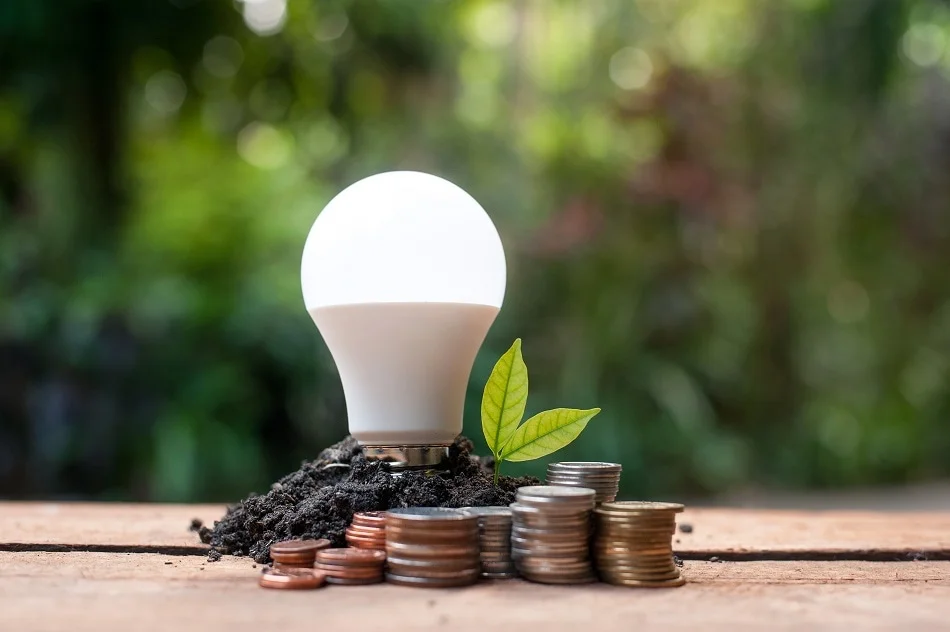
Introduction: A New Dawn of Responsibility
In an era where climate concerns and resource scarcity dominate global discourse, the notion of energy saving has transcended the realm of mere frugality—it has become a moral and economic necessity. As the world population expands and industries push the boundaries of innovation, the strain on natural resources has never been greater. Within this context, conserving energy emerges not only as an environmental obligation but as a strategic investment in a sustainable future.
Understanding Energy Saving: More Than Just Cutting Costs
At its core, energy saving refers to the conscious effort to reduce energy consumption through behavioral changes, technological upgrades, and efficient resource management. Unlike renewable energy generation, which seeks to produce power sustainably, energy saving focuses on minimizing wastage and maximizing utility from existing resources.
This subtle distinction is crucial. By using less energy to perform the same tasks, societies can reduce carbon footprints, lower operational costs, and extend the life of finite fuel reserves. It is a silent hero in the fight against global warming—an unsung strategy that complements renewable energy adoption.
The Economic Argument: Frugality Meets Innovation
Saving energy makes compelling financial sense for households, businesses, and governments alike. Households can drastically lower utility bills by upgrading insulation, switching to energy-efficient appliances, and adopting mindful habits. For businesses, energy efficiency often translates into lower operational costs, improved profit margins, and enhanced brand reputation as consumers increasingly favor sustainability.
Governments, too, benefit when energy demand decreases. Reduced consumption alleviates pressure on national grids and minimizes the need for costly infrastructure expansions. Many nations have therefore embraced incentives such as tax credits, rebates, and low-interest loans to encourage both citizens and corporations to invest in energy-efficient technologies.
Everyday Practices: Small Changes, Big Impact
Energy saving need not be a radical overhaul. Often, it is the accumulation of small, consistent choices that produces the most profound results. Consider the following practical measures that individuals can adopt:
-
Switch to LED Lighting: Replacing incandescent bulbs with LEDs can reduce lighting energy use by up to 75%.
-
Unplug Idle Electronics: Devices in standby mode continue to draw power, a phenomenon known as “phantom load.” Unplugging or using smart power strips curbs this invisible waste.
-
Upgrade Insulation: Proper insulation reduces the need for excessive heating or cooling, lowering energy demands year-round.
-
Optimize Thermostat Settings: Slight adjustments to heating and cooling systems can result in substantial savings without sacrificing comfort.
-
Embrace Natural Light: Designing spaces to maximize daylight can dramatically cut down artificial lighting needs.
These actions, seemingly modest, reflect a mindset shift—one that recognizes that conservation begins at home.
Technological Advancements: Engineering Efficiency
Beyond individual habits, technology plays a pivotal role in promoting energy saving. The advent of smart home systems, for instance, allows households to monitor and control energy use in real-time, automatically adjusting settings based on occupancy and usage patterns.
In the industrial sphere, energy management systems analyze complex data to optimize production processes. Advanced motors, high-efficiency boilers, and variable speed drives exemplify how innovation can drive down energy consumption without compromising output.
Moreover, the rise of electric vehicles (EVs) and the electrification of public transport herald a transformation in how societies consume energy for mobility. While EVs require electricity to charge, they are inherently more efficient than internal combustion engines and can be powered by cleaner energy sources.
Environmental Imperative: Mitigating Climate Change
Perhaps the most compelling reason for saving energy is its role in mitigating the impacts of climate change. The burning of fossil fuels for electricity and heating remains a primary contributor to greenhouse gas emissions. By curbing unnecessary energy use, societies can significantly reduce their carbon footprints.
This ripple effect extends globally. If developed and developing nations alike prioritize energy efficiency, the cumulative drop in emissions could be monumental. Indeed, the International Energy Agency has noted that improved energy efficiency could account for over 40% of the emission reductions needed to meet international climate targets.
Policy and Community: Driving Collective Action
While individual and technological measures are vital, broad-scale energy saving demands robust policy frameworks and community engagement. Governments must enact and enforce building codes that prioritize efficiency, encourage retrofitting of old structures, and support research into next-generation solutions.
Communities, too, wield immense influence. Grassroots initiatives that educate citizens, promote local energy audits, and champion neighborhood projects—from community solar panels to shared electric car fleets—demonstrate how collective action amplifies impact.
The Path Forward: An Ethos, Not a Choice
Energy saving is not a fleeting trend; it is a fundamental ethos for modern civilization. As the climate crisis intensifies and natural resources become ever scarcer, the wisdom of conservation becomes self-evident. Future generations will judge today’s societies not merely by their technological breakthroughs but by their restraint, foresight, and willingness to do more with less.
Adopting energy-saving practices demands neither sacrifice nor hardship but rather an embrace of thoughtful living. It calls for recognizing the inherent value of the resources we so often take for granted and stewarding them with care.
Conclusion: Illuminating a Sustainable Future
In the grand tapestry of sustainable development, energy saving occupies a central thread—quiet, resilient, and profoundly impactful. It is an enduring reminder that progress is not only about invention but also about preservation. By weaving efficiency into the fabric of daily life, we ensure that the brilliance of our modern world does not come at the cost of the planet that sustains it.
In this shared endeavor, each switch flipped off, each appliance upgraded, and each policy enacted is a step toward a brighter, more sustainable tomorrow. Energy saving, then, is not merely an action—it is a legacy in the making.
