

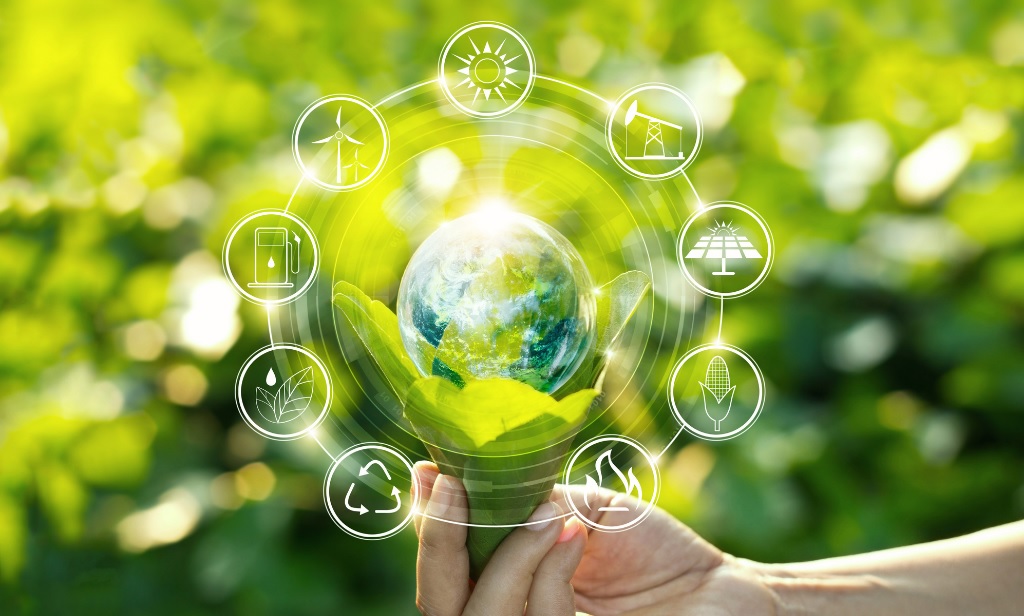
Introduction: The Call for a Cleaner Tomorrow
As the twenty-first century unfolds, humanity faces an existential challenge: how to power progress without compromising the very ecosystems that sustain life. Against a backdrop of rising global temperatures, extreme weather, and dwindling natural resources, the notion of green energy has evolved from a niche interest into a global imperative. More than just an alternative, green energy is now a symbol of innovation, resilience, and our collective commitment to a future where growth and environmental responsibility coexist.
Defining Green Energy: Power Without Poison
At its essence, green energy refers to power generated from natural sources that are both renewable and minimally polluting. It draws on resources that replenish themselves within human timescales—sunlight, wind, water flow, biomass, and geothermal heat—transforming these into usable electricity or heat without the destructive emissions linked to coal, oil, or gas. The promise of green energy is elegantly simple: it provides societies with the fuel they need to thrive without depleting the Earth’s reserves or poisoning its atmosphere.
A Glimpse at the Core Sources
Green energy is not monolithic. Rather, it is a dynamic tapestry woven from diverse technologies, each offering distinct strengths and possibilities.
1. Solar Power
By converting sunlight directly into electricity through photovoltaic panels or harnessing solar thermal energy, solar power has become synonymous with the renewable revolution. It is modular, scalable, and increasingly affordable, empowering households and entire cities alike.
2. Wind Energy
Harvesting the kinetic power of moving air, wind turbines—whether spread across open plains or positioned offshore—are capable of generating significant clean power. Wind energy has emerged as a backbone of national grids in many progressive countries.
3. Hydropower
Using the force of flowing water to spin turbines, hydropower remains one of the oldest and most established forms of green energy. While large dams can disrupt ecosystems, innovations in small-scale and run-of-river projects present less intrusive ways to harness water’s energy.
4. Geothermal Energy
Deep within the Earth lies a steady reservoir of heat. Geothermal plants tap into this resource to produce electricity and district heating, offering consistent, low-emission power irrespective of weather or season.
5. Biomass and Bioenergy
Organic materials—from agricultural residues to dedicated energy crops—can be converted into heat, electricity, or biofuels. When sourced sustainably, biomass closes the carbon loop by reusing what nature produces.
The Economic Rationale: A Case for Smarter Growth
Adopting green energy is not simply an environmental obligation; it is also an economic masterstroke. The renewable energy sector has become one of the fastest-growing industries worldwide, generating millions of jobs in manufacturing, installation, maintenance, and research. Countries that invest in green technologies cultivate new industries, stimulate rural development, and reduce their dependence on imported fossil fuels that often fluctuate in cost due to geopolitical tensions. For households and businesses, green energy brings tangible savings. Rooftop solar panels, for instance, transform consumers into producers, with excess power often sold back to the grid. Innovations in energy storage and smart meters continue to put more control—and cost savings—into the hands of ordinary citizens.
The Environmental Imperative: Healing the Planet
The environmental benefits of green energy are undeniable. The burning of fossil fuels remains the single largest contributor to greenhouse gas emissions, which trap heat in the atmosphere and trigger climate shifts with catastrophic consequences. By replacing coal-fired plants with wind farms, or diesel generators with solar arrays, societies drastically cut carbon emissions and local air pollutants that endanger human health. Green energy projects, when thoughtfully implemented, can also safeguard biodiversity. Floating solar installations reduce water evaporation from reservoirs, while carefully planned wind and solar farms can coexist with agriculture, creating a mosaic of productivity and conservation.
Barriers and Realities: The Work Ahead
Despite its promise, the green energy transition faces significant hurdles. One persistent challenge is intermittency. Solar panels generate no power at night, and wind turbines fall silent when breezes calm. Energy storage solutions—like advanced battery technologies—are closing this gap, but more investment and innovation are needed to guarantee a stable supply. Infrastructure presents another test. Modern grids must adapt to handle decentralized, variable inputs rather than the steady output of traditional power plants. Upgrading grids, building smart networks, and integrating digital management tools will be vital. Lastly, green energy projects must remain equitable and ethical. Poorly planned biomass harvesting, large dams that flood communities, or mining for rare-earth metals used in batteries can all have unintended consequences. Policymakers must navigate these trade-offs with foresight and community involvement.
Innovations Lighting the Way
Innovation sits at the heart of green energy’s success story. Engineers are pushing the boundaries with high-efficiency solar panels that harvest energy even on cloudy days and offshore wind turbines taller than skyscrapers that capture stronger, steadier gusts. Emerging technologies like green hydrogen—produced using renewable energy to split water into hydrogen and oxygen—offer pathways to decarbonize heavy industry and long-haul transport where electrification is impractical. Smart home systems, artificial intelligence, and blockchain-based energy trading are reshaping how energy is used and shared, empowering consumers and communities to make the most of every kilowatt.
The Role of Citizens: Small Acts, Collective Impact
The global shift to green energy is often depicted as the domain of governments and corporations, but everyday choices are equally potent. Households can:
-
Install rooftop solar panels or subscribe to community solar initiatives.
-
Choose green energy providers or offset consumption through certified renewable credits.
-
Upgrade appliances to energy-efficient models.
-
Advocate for clean energy policies at local and national levels.
-
Reduce consumption through mindful habits—turning off lights, unplugging idle devices, and optimizing insulation.
Each decision, however small, reinforces the message that clean energy is not a luxury but an expectation.
Conclusion: A Greener Horizon Within Reach
Green energy represents more than just a technological pivot; it embodies a profound cultural shift—a realization that progress and preservation can, and must, coexist. In its rays, gusts, currents, and subterranean warmth lies a quiet yet powerful promise: that we can light our cities, drive our industries, and warm our homes without sacrificing the natural world that gives us life. To embrace green energy is to choose resilience over recklessness, vision over short-term gain. It is a commitment to future generations—a testament that we saw the writing on the wall and acted boldly to shape a cleaner, fairer, more sustainable tomorrow. In doing so, we turn a green horizon from hopeful ideal into everyday reality.
