

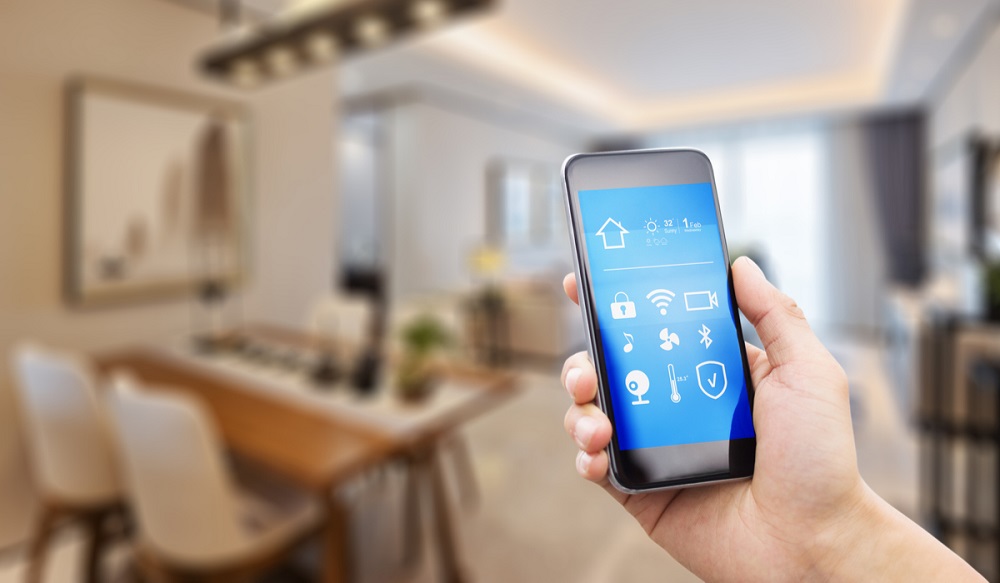
Residential energy consumption accounts for a significant portion of global energy usage, with heating, cooling, lighting, and household appliances demanding continuous power. Historically, managing home energy required manual adjustments, rigid mechanical timers, or pure habit discipline. Homeowners frequently wasted substantial amounts of electricity by heating empty rooms, leaving lights illuminated in unoccupied spaces, or running inefficient appliances during peak rate hours.
The emergence of smart home technology has fundamentally altered residential energy management. By replacing passive mechanical controls with connected sensors, automated algorithms, and intelligent machine learning, smart devices convert standard households into responsive, energy-efficient environments. Understanding how smart home systems optimize resource utilization provides a clear roadmap for reducing utility costs, lowering carbon footprints, and improving household comfort.
The Core Mechanisms of Smart Home Energy Efficiency
Smart home devices do not simply allow remote control through mobile applications; they actively analyze environmental conditions and occupant behavior to minimize unnecessary power draw. The energy-saving capabilities of smart technology rest on three foundational pillars: automation, predictive learning, and real-time monitoring.
Through interconnected internet-of-things ecosystems, devices communicate across shared protocols to coordinate energy management.
-
Occupancy Sensing: Built-in motion, infrared, and geofencing sensors detect whether a home or specific room is occupied. When occupants leave, connected systems automatically set back climate controls, extinguish lighting, and power down standby electronics.
-
Algorithmic Learning: Smart systems analyze daily schedules, temperature preferences, and routine household activities over time. Using this data, devices construct optimized operational schedules that eliminate energy waste without requiring manual programming.
-
Environmental Data Integration: Connected devices adjust operations based on external data inputs, such as outdoor weather forecasts, real-time sunlight levels, and variable utility pricing structures, ensuring energy is consumed at peak efficiency.
Intelligent Climate Control and HVAC Optimization
Heating and cooling systems consume more residential energy than any other household function, often accounting for more than half of a home’s total utility expenditure. Smart thermostats and intelligent climate zone controllers deliver the most substantial energy reductions of any smart home category.
Predictive Heating and Cooling
Traditional programmable thermostats execute static schedules regardless of actual occupancy or external weather shifts. Smart thermostats utilize geofencing, tracking the location of household smartphones to determine when occupants are approaching or leaving the property. When the home is empty, the system adjusts the target temperature to conserve energy, initiating conditioning only when an occupant is en route.
Adaptive Micro-Climate Zoning
Standard central HVAC units heat or cool an entire house evenly, leading to wasted energy in unused spaces such as guest bedrooms or formal dining areas. Smart vent systems and remote room sensors create independent climate zones. By regulating airflow floor-by-floor or room-by-room, these systems direct conditioning exclusively to occupied zones, reducing overall HVAC strain and fuel usage.
Weather Compensation and HVAC Health Monitoring
Advanced climate devices integrate real-time weather forecasts into their thermal algorithms. On hot, sunny days, smart systems adjust cooling curves in anticipation of thermal gain. Furthermore, smart thermostats continuously monitor filter airflow and HVAC runtimes, alerting homeowners when maintenance is required. Clean filters and well-maintained equipment prevent system degradation and preserve optimal energy efficiency.
Smart Lighting Systems and Daylight Harvesting
Lighting represents another major component of monthly electricity bills. While switching from traditional incandescent bulbs to light-emitting diodes (LEDs) provides immediate energy savings, pairing LEDs with smart control systems maximizes conservation potential.
-
Automated Dimming and Daylight Harvesting: Smart ambient light sensors detect the volume of natural sunlight entering a room. Smart switches and bulbs automatically adjust their lumen output in response, dimming artificial fixtures when daylight is abundant and keeping energy draw to a minimum.
-
Motion-Activated Lighting Sequences: Occupancy sensors ensure lights operate only when needed. In spaces like hallways, garages, basements, and bathrooms, smart sensors automatically extinguish fixtures after a designated period of inactivity, eliminating the common issue of forgotten lights.
-
Custom Scheduling and Scenes: Homeowners can configure automated lighting schedules aligned with astronomical sunrise and sunset times. This prevents outdoor security lights and landscape illumination from running unnecessarily during daylight hours.
Managing Phantom Loads with Smart Plugs and Power Strips
A hidden driver of elevated electrical bills is phantom load, also known as standby power consumption. Many electronic devices—including televisions, gaming consoles, audio receivers, microwave displays, and computer peripherals—continue to draw current even when powered off.
Smart plugs and intelligent power strips interrupt this passive power drain. By monitoring power draw, these devices completely disconnect electricity to plugged-in electronics when they enter an idle state. Users can schedule automated shutoffs for entertainment centers or home office equipment overnight, cutting phantom energy loss without requiring manual unplugging.
Whole-Home Energy Monitoring and Load Shifting
To eliminate energy waste effectively, homeowners must first understand where power is being consumed. Whole-home smart energy monitors install directly into the main electrical breaker panel, using inductive current transformers to track total electrical usage in real time.
Using machine learning to recognize unique electrical signatures, these monitors identify individual appliances based on their power draw profiles. Homeowners can view granular data detailing how much electricity their refrigerator, water heater, clothes dryer, or electric vehicle charger consumes per hour.
Strategic Load Shifting
Many electric utilities employ time-of-use pricing models, charging higher rates for electricity during peak demand hours (typically late afternoon and early evening) and lower rates during off-peak hours (overnight and early morning).
Smart energy platforms capitalize on these pricing structures through load shifting. Connected water heaters, dishwashers, washing machines, and electric vehicle charging stations can be programmed to run exclusively during off-peak hours when electricity is cheapest and cleanest, significantly reducing utility costs without altering daily consumption volumes.
Frequently Asked Questions
Do smart home devices consume energy themselves, and does that offset their savings?
While smart home devices require a continuous standby connection to operate sensors and wireless networks, their energy consumption is extremely low, usually ranging from 0.5 to 2 watts per device. The energy saved through automated HVAC setbacks, lighting management, and phantom load elimination far exceeds the minimal power needed to run the smart hardware.
How much can a smart thermostat save on annual heating and cooling costs?
While individual savings vary based on climate, home insulation quality, and occupancy patterns, typical installations yield savings between 10 and 15 percent on heating costs and up to 15 percent on cooling costs. Over a full calendar year, these percentage drops lead to noticeable reductions in overall utility expenses.
Do I need to replace all my existing appliances to build an energy-efficient smart home?
No. Existing appliances can be integrated into a smart energy management strategy using external smart plugs, intelligent power strips, and retrofitted appliance modules. These accessories provide scheduling, remote control, and automated shutoff capabilities for traditional appliances without requiring expensive equipment replacements.
How does geofencing work in smart climate control, and does it drain smartphone batteries?
Geofencing uses a smartphone’s location services to establish a virtual boundary around a home. When the phone crosses the boundary, the smart thermostat adjusts temperatures accordingly. Modern mobile operating systems optimize background location services, ensuring geofencing operates efficiently with minimal impact on phone battery life.
Can smart home energy monitoring systems detect malfunctioning appliances?
Yes. Whole-home energy monitors track the operational cycles and power signatures of major appliances. If an appliance begins drawing unusually high wattage or cycles on and off repeatedly—such as a refrigerator compressor failing or an HVAC motor binding—the monitoring platform alerts the user to the inefficiency, enabling timely repairs before major damage or excessive power draw occurs.
How do smart blinds and motorized shades contribute to energy efficiency?
Smart shades integrate with solar sensors and weather forecasts to assist HVAC systems. During warm summer months, smart blinds automatically close during peak sunlight hours to prevent thermal solar heat gain, lowering air conditioning demands. In winter, they open during sunny periods to harvest natural radiant heat, reducing furnace workload.
Will smart energy devices continue to function if the home loses internet connectivity?
Most smart home devices maintain their fundamental schedules and local automation rules during internet outages because basic programming is stored locally on the device hardware or a local home hub. However, remote app access, real-time weather integration, and off-site mobile alerts require an active internet connection to function.
