

The global energy ecosystem is undergoing a fundamental transformation. For over two centuries, modern industrial societies relied heavily on fossil fuels—coal, petroleum, and natural gas—to power transportation networks, industrial manufacturing, residential heating, and electrical grids. While these dense energy sources fueled historic economic development, their extraction, processing, and combustion came at a severe ecological cost. The continuous discharge of greenhouse gases, toxic particulate matter, and heavy metals has altered global climate patterns, degraded ecosystems, and compromised public health.
Renewable energy technologies represent a clean, sustainable, and scalable alternative to traditional fossil fuel infrastructure. By capturing energy from self-replenishing natural processes—such as sunlight, wind, water flow, geothermal heat, and organic biomass—renewable systems generate power with minimal environmental disruption. Examining the specific mechanisms through which renewable energy protects natural ecosystems highlights why transitioning to clean power is essential for long-term ecological preservation.
Mitigating Global Climate Change and Carbon Emissions
The primary environmental benefit of renewable energy is the drastic reduction of carbon dioxide and other greenhouse gas emissions. The combustion of fossil fuels releases billions of tons of carbon into the atmosphere annually, trapping thermal radiation within the biosphere and driving global climate disruption.
Renewable energy technologies operate with near-zero operational carbon emissions.
-
Solar Photovoltaic and Thermal Power: Solar energy systems convert radiant sunlight directly into electricity or heat without fuel combustion. Replacing coal-fired or natural gas power plants with solar arrays eliminates vast volumes of carbon dioxide and nitrous oxide emissions over the multi-decade lifespan of the equipment.
-
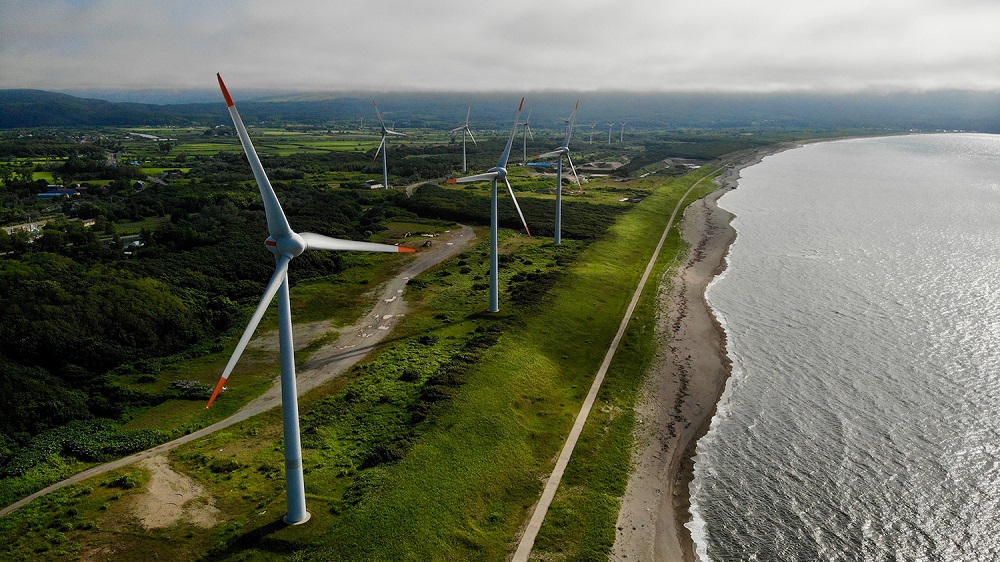
Wind Power Infrastructure: Onshore and offshore wind turbines harvest kinetic energy from atmospheric airflow. Wind generation requires no water for cooling and produces zero atmospheric emissions during operation, displacing fossil-fuel-generated power on regional electrical grids.
-
Hydroelectric and Marine Energy: Capturing the kinetic energy of flowing rivers, ocean tides, and wave action provides consistent baseline power without burning carbon-based fuels, helping stabilize power grids while lowering overall carbon intensity.
Air Quality Improvement and Public Health Protection
In addition to carbon dioxide, fossil fuel power generation and internal combustion engines release a dangerous mix of localized air pollutants. Sulfur dioxide, nitrogen oxides, fine particulate matter (PM2.5), mercury, and volatile organic compounds contaminate urban and rural air sheds alike. These pollutants drive respiratory illnesses, cardiovascular disease, premature death, and acid rain, which damages forests and freshwater ecosystems.
Transitioning to renewable energy directly addresses atmospheric pollution at the source.
Elimination of Acid Deposition
Coal and oil combustion release high concentrations of sulfur dioxide and nitrogen oxides into the atmosphere, where they react with water vapor and oxygen to form sulfuric and nitric acids. Acid rain strips essential nutrients from forest soils, weakens trees, and lowers the pH of lakes and streams, making them uninhabitable for aquatic life. Renewable energy infrastructure emits zero acid-forming precursors, allowing damaged ecosystems to gradually recover.
Reduction of Smog and Particulate Burden
Ground-level ozone (smog) and fine particulate matter are primary drivers of urban air quality degradation. By electrifying transportation networks and repowering grids with wind, solar, and hydro power, cities experience dramatic drops in atmospheric particulate concentrations, leading to clearer skies, reduced healthcare strains, and healthiest urban environments.
Conservation of Freshwater Resources
Water scarcity is one of the most pressing environmental challenges of the modern era. Traditional thermal power generation—including coal, natural gas, and nuclear power plants—requires massive volumes of freshwater to produce steam and cool heavy industrial machinery. Thermoelectric power generation accounts for a major share of total freshwater withdrawals in industrial nations, competing directly with agricultural, municipal, and ecological needs.
Most renewable energy technologies operate with minimal or zero water consumption.
-
Dry Operation of Solar PV and Wind: Photovoltaic solar panels and wind turbines require no water to generate electricity. Aside from occasional panel washing to remove dust, wind and solar systems preserve billions of gallons of freshwater annually that would otherwise evaporate in thermal cooling towers.
-
Reduction of Thermal Pollution: When thermal power plants withdraw water from rivers, lakes, or coastal estuaries, they discharge the warmed effluent back into natural waterways. This thermal pollution lowers dissolved oxygen levels, stressing native fish species and encouraging toxic algal blooms. Zero-combustion renewables completely eliminate thermal discharge issues.
Land and Ecosystem Preservation
Extracting fossil fuels involves destructive surface mining, mountain-top removal, deep-well drilling, and hydraulic fracturing (fracking). These operations strip surface vegetation, fragment critical wildlife habitats, disrupt migration corridors, contaminate aquifers with fracking chemicals, and produce toxic tailings ponds that persist for generations.
While building renewable energy infrastructure requires land and raw materials, its overall spatial footprint and ecological impact are manageable and reversible.
Sustainable Land Integration and Dual-Use Designs
Modern renewable installations increasingly prioritize multi-use land management. Solar arrays can be installed as agrivoltaic systems, where crops are cultivated or livestock grazed beneath elevated solar panels. Panel shade reduces soil evaporation and protects delicate crops from heat stress, creating a beneficial relationship between clean power generation and agriculture. Similarly, wind turbines occupy small physical footprints, allowing farming and forestry operations to continue uninhibited around their bases.
Restoration and Land Recovery
Unlike open-pit coal mines or contaminated oil drilling sites that require extensive environmental remediation, solar and wind installations cause minimal subsoil disruption. At the end of an installation’s operational lifespan, the equipment can be decommissioned, recycled, and removed, allowing the land to revert naturally to its baseline ecological state or continue serving agricultural purposes.
Preserving Biodiversity and Preventing Habitat Destruction
Climate change, habitat destruction, and environmental pollution represent the greatest threats to global biodiversity. Rising temperatures alter seasonal rhythms, force species to migrate poleward or to higher elevations, and intensify ocean acidification, which threatens coral reefs and marine food webs.
By stabilizing global temperatures and eliminating toxic environmental pollutants, renewable energy serves as a key tool for biodiversity conservation. Halting ocean acidification by reducing atmospheric carbon dioxide absorption preserves marine shell-forming organisms and coral ecosystems. Protecting pristine wilderness areas from oil pipelines, open-pit mines, and gas drilling preserves critical habitat networks necessary for species survival.
Frequently Asked Questions
Do solar panels and wind turbines create pollution during manufacturing?
Yes, manufacturing renewable energy hardware involves raw material extraction, chemical processing, and transport, which generate upfront carbon emissions. However, life-cycle assessments show that solar and wind systems pay back this manufacturing carbon footprint within one to three years of operation, generating entirely zero-emission electricity for the remaining 25 to 30 years of their operational lifespans.
How does renewable energy impact bird and bat populations?
While early wind turbine designs posed risks to avian species, modern turbine development incorporates siting studies, radar tracking, low-speed rotor designs, and automated ultrasonic deterrents to minimize wildlife collisions. Furthermore, the habitat loss and temperature shifts caused by climate change represent a far greater long-term threat to global bird populations than renewable energy infrastructure.
Is biomass energy truly environmentally friendly?
Biomass energy is considered renewable because organic matter can be regrown, but its environmental impact depends heavily on sourcing. Burning sustainably harvested agricultural waste, forestry residues, or municipal organic waste provides clean energy while diverting waste from landfills. Conversely, clear-cutting natural forests for wood pellets releases stored carbon and destroys ecosystems, making responsible sourcing standards essential.
Can hydroelectric dams cause negative environmental impacts?
Large-scale impoundment dams can disrupt river ecosystems, alter natural sediment transport, and submerge upstream terrestrial habitats. To mitigate these impacts, modern hydro energy projects emphasize run-of-the-river designs, low-impact micro-hydro installations, and fish bypass channels that preserve aquatic migration corridors and maintain natural downstream ecology.
How are old solar panels and wind turbine blades managed at the end of their lives?
Industrial recycling frameworks for renewable equipment are expanding rapidly. Modern recycling facilities recover over 90 percent of the glass, aluminum, silicon, and copper found in solar panels. Similarly, wind turbine manufacturers are transitioning to fully recyclable composite blade materials and repurposing retired blades into industrial building materials.
Does geothermal energy pose any risk to groundwater?
Geothermal power taps heat deep within the Earth’s crust. Closed-loop geothermal systems circulate fluids through sealed underground pipes, preventing contact between geothermal fluids and shallow freshwater aquifers. This closed-loop engineering ensures zero contamination of municipal water supplies while delivering consistent baseline power.
Why is energy storage essential for maximizing the environmental benefits of renewables?
Solar and wind power are variable energy sources dependent on weather and time of day. Advanced grid-scale battery storage, pumped-storage hydropower, and thermal storage capture excess renewable generation during peak production periods and release it during low-production windows. This balancing capability reduces reliance on fossil-fuel peaker plants, ensuring continuous clean power delivery.
