

Introduction: An Awakening to the Fragile Tapestry
The environment is not merely the backdrop to human progress; it is the intricate web that nourishes life itself. Over centuries, civilizations have flourished and fallen in rhythm with their stewardship of nature. Today, as the world stands at a crossroads of unprecedented technological prowess and ecological peril, our understanding of the environment must evolve from passive appreciation to active guardianship.
The Environment Defined: A Symphony of Interconnected Life
At its simplest, the environment encompasses all living and non-living elements surrounding us—air, water, soil, flora, fauna, and the complex systems that bind them. Yet to view it only as a collection of parts diminishes its profound harmony. Forests cleanse the air, oceans regulate climate, wetlands filter pollutants, and countless species maintain delicate ecological balance. Humanity, far from being separate, is woven tightly into this tapestry.
The Human Footprint: Progress and Its Hidden Costs
Modern industrialization, while delivering comfort and convenience, has exacted a heavy toll on our natural surroundings. Expanding cities swallow forests, rivers are choked with waste, and greenhouse gases warm the planet at an alarming rate. Species extinction accelerates as habitats shrink. For centuries, we have borrowed from nature’s bank account without replenishment, assuming its abundance to be limitless. The consequences of this unchecked exploitation now stand stark before us—climate change, air pollution, resource depletion, and biodiversity loss.
Climate Change: A Defining Challenge
Perhaps no threat to the environment is as far-reaching and urgent as climate change. The combustion of fossil fuels has driven carbon dioxide levels to heights unseen for millennia, trapping heat and destabilizing weather patterns. Glaciers retreat, sea levels rise, droughts intensify, and once predictable seasons grow erratic. Vulnerable communities, often the least responsible for emissions, bear the brunt of floods, storms, and failing crops. Addressing climate change demands an honest reckoning with our consumption patterns and an unwavering shift towards cleaner, renewable energy.
The Value of Biodiversity: Nature’s Insurance Policy
While climate captures headlines, the quiet erosion of biodiversity is equally perilous. Biodiversity—the variety of life on Earth—underpins food security, medicine, and ecosystem resilience. Every species, from the tiniest bee pollinating crops to apex predators maintaining population checks, plays a role. The loss of one thread can unravel entire systems. Protecting biodiversity is not sentimental idealism; it is a pragmatic safeguard for human survival.
Pathways to Preservation: Sustainable Solutions for a Healthier Earth
Despite daunting challenges, hope lies in humanity’s capacity for innovation and collective action. Preserving the environment is neither a utopian dream nor a burden to prosperity—it is the cornerstone of long-term well-being. Practical steps can guide us towards balance:
-
Renewable Energy: Transitioning from coal, oil, and gas to solar, wind, and hydropower reduces emissions and pollution.
-
Sustainable Agriculture: Practices like crop rotation, organic farming, and reduced pesticide use maintain soil health and protect waterways.
-
Circular Economy: Designing products for reuse, recycling, and minimal waste lessens the strain on raw materials and landfills.
-
Conservation Efforts: Establishing protected areas, restoring degraded habitats, and supporting endangered species foster biodiversity.
-
Urban Green Spaces: Parks, green roofs, and urban forests cool cities, purify air, and improve mental health.
These solutions, far from theoretical, are already transforming communities worldwide. Yet they demand policy support, corporate responsibility, and individual commitment.
The Role of Policy: Governance as a Catalyst
Governments wield the power to shape large-scale change through legislation, incentives, and international cooperation. Landmark agreements like the Paris Accord have signaled intent, but true progress requires enforcement and ambition. Policies that penalize pollution, reward clean innovation, and promote green jobs can align economic growth with ecological stewardship. Public awareness and civic engagement are vital to hold leaders accountable.
Individual Responsibility: Small Actions, Profound Impact
While systemic change is essential, individual choices remain potent. Each decision—be it reducing single-use plastics, conserving water, eating locally, or choosing sustainable products—carries weight when multiplied across millions. Education deepens this impact, fostering generations who view the environment not as a commodity but as a legacy.
Consider these simple yet meaningful habits:
-
Carry reusable bags, bottles, and containers.
-
Limit food waste through mindful shopping and storage.
-
Choose energy-efficient appliances and insulate homes to reduce consumption.
-
Support local farmers and organic producers.
-
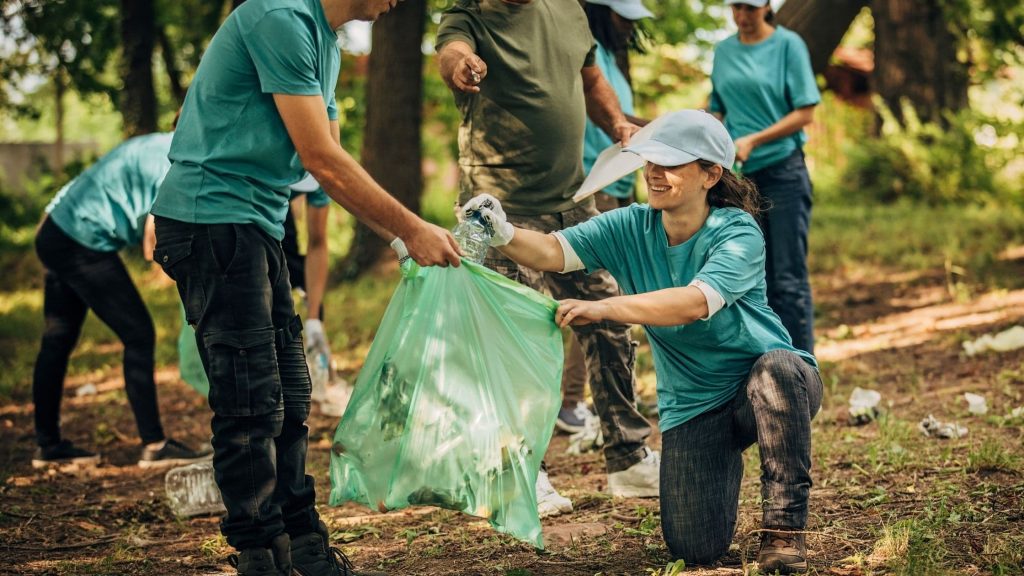
Participate in community clean-ups and tree-planting drives.
In embracing such actions, we transform abstract concern into tangible care.
A Cultural Reconnection: Learning from Indigenous Wisdom
In the quest to protect the environment, ancient wisdom offers invaluable guidance. Indigenous communities across the globe have long understood the importance of living in harmony with nature. Their practices—rooted in respect, reciprocity, and restraint—contrast sharply with the extractive models of modern industry. Integrating this knowledge with contemporary science could forge more holistic, sustainable pathways.
Conclusion: Stewardship as a Shared Destiny
The environment is neither an infinite resource nor a distant realm—it is our collective home. To protect it is to protect ourselves and future generations. The call for environmental stewardship transcends borders, ideologies, and economics; it is a testament to our capacity for care, foresight, and responsibility.
In the end, the question is not whether we can afford to protect the environment, but whether we can afford not to. The choice lies with each of us: to live as passive beneficiaries of nature’s bounty, or as conscious guardians of its enduring vitality. In choosing the latter, we honor not only the beauty that surrounds us but the very essence of life itself.
