

A home is much more than a collection of walls, furniture, and practical fixtures. It serves as an intimate backdrop to daily life, a private sanctuary, and a physical extension of identity. Too often, residential interiors end up looking like sterile showroom displays or carbon copies of transient design trends found on social media feeds. While following popular design templates might feel safe, it frequently yields spaces that lack warmth, character, and genuine personal resonance.
Designing a home that genuinely reflects your personality requires stepping away from rigid rulebooks and tuning into your individual story, values, aesthetic inclinations, and daily habits. Whether you thrive in an energizing environment filled with bold colors and curated heirlooms or prefer a serene, minimalist retreat with organic textures and clean lines, crafting a personalized living space is a deliberate, rewarding process.
Uncovering Your True Aesthetic Identity
Before purchasing furniture, picking paint swatches, or hanging artwork, you must identify what truly speaks to you. Discovering your personal interior style is an exercise in self-exploration rather than a search for a pre-packaged design label.
Many people fall into the trap of decorating for an idealized lifestyle rather than the life they actually lead. Authenticity begins when you align your physical surroundings with your actual preferences and routines.
-
Audit Your Belongings: Look at the objects, clothing, books, and travel souvenirs you already own and cherish. Notice recurring patterns, colors, materials, and eras. The textures in your favorite wardrobe pieces often reveal the tactile materials you prefer in upholstery and rugs.
-
Identify Emotional Needs: Consider how you want each room to make you feel. Do you seek calm and quiet after a demanding workday, or do you want an uplifting, inspiring environment that sparks creativity? Defining the intended emotional atmosphere dictates color palettes, lighting choices, and spatial layouts.
-
Analyze Daily Routines: A truly personal home supports how you live. An avid reader needs dedicated, cozy reading nooks with focused task lighting. A social entertainer requires flexible seating and an open, conversational layout. Form must always follow lifestyle function.
Curating Over Decorating: The Power of Meaningful Objects
The difference between a generic room and a personality-rich interior lies in curation. Decorating often implies buying mass-produced accessories simply to fill empty shelf space. Curation, on the other hand, is the thoughtful collection and display of items that carry personal story, history, or sentimental value.
Instead of buying entire matching furniture sets from a single store, blend varied pieces across different styles, finishes, and time periods to build visual depth and authentic character.
Integrating Heirlooms and Vintage Finds
Incorporating antique or vintage items brings an immediate sense of history and soul to a home. An old wooden chest inherited from a grandparent, a mid-century side chair discovered at a local flea market, or a vintage rug woven with traditional patterns introduces character that brand-new items cannot replicate. Blending old and new elements creates a layered, timeless aesthetic that reflects a rich personal journey.
Showcasing Personal Collections and Travels
Objects gathered during travel or collected around specific personal passions make exceptional decorative focal points. Displaying handmade pottery, regional textiles, original local art, or vintage books tells a narrative about where you have been and what you value. Grouping similar collections together on open shelving, gallery walls, or mantle displays gives them visual weight and turns them into compelling conversation starters.
Using Color and Texture to Convey Mood
Color is one of the most immediate and powerful design tools for expressing personality. It influences mood, alters spatial perception, and sets the overall tone of a dwelling. Texture works alongside color to add depth, tactile interest, and physical comfort.
Finding Your Color Story
Do not feel obligated to adhere to standard neutral palettes if your personality thrives on vibrant energy. Rich jewel tones like emerald green, sapphire blue, and deep plum project confidence, drama, and intimacy. Conversely, warm earth tones, soft terracottas, and gentle greens communicate grounded tranquility and a connection to nature. If you prefer muted wall colors, you can inject vivid hues through throw pillows, drapery, rug patterns, and accent furniture.
Layering Tactile Materials
Textures evoke distinct sensory reactions. Smooth metals, polished marble, and crisp glass feel modern, clean, and structured. In contrast, tumbled stone, reclaimed wood, slubbed linen, bouclé, and thick woven wool feel inviting, relaxed, and organic. Combining contrasting textures within the same room prevents single-color schemes from feeling flat and gives the environment a sensory richness.
Establishing Functional Zones That Support Your Passions
A personalized home honors your hobbies, interests, and creative outlets. Allocating dedicated physical space for activities that bring you joy ensures your home functions as an active platform for living rather than a static display area.
-
Dedicated Creative Nooks: If you enjoy painting, writing, crafting, or playing music, set up a functional, well-lit station tailored to that activity. Keeping equipment visible and accessible invites you to engage with your hobbies more frequently.
-
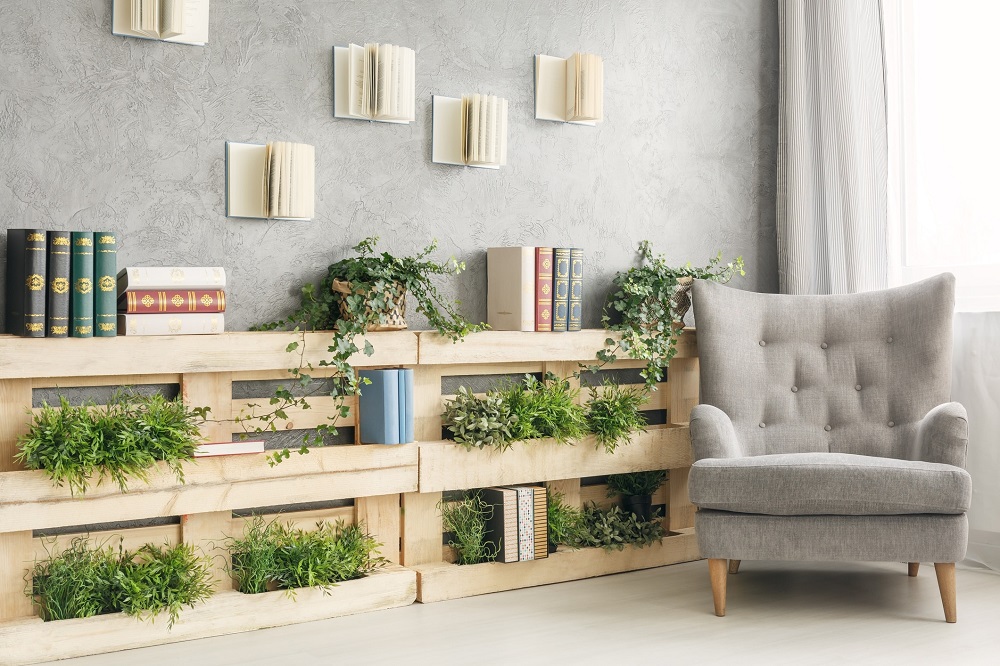
Personal Libraries and Display Shelves: Bookcases are inherently personal architectural features. Organizing books alongside art pieces, framed family photographs, and unique mementos transforms storage into an expressive personal wall display.
-
Integrated Wellness and Movement Spaces: For those focused on mindfulness and physical health, dedicating a quiet corner to yoga, meditation, or daily stretching with comfortable floor mats, natural light, and soothing scents reinforces healthy daily rituals.
Lighting, Art, and the Final Personal Touches
Lighting and wall art serve as the final layers that tie a personalized room together, transforming functional spaces into memorable environments.
Lighting should never rely solely on harsh overhead fixtures. Layered lighting—combining ambient overhead lights with task lamps, picture lights, floor lamps, and candlelight—creates flexibility and mood control. A sculptural floor lamp or vintage ceramic desk light acts as both a functional illuminator and a artistic accent piece.
When selecting wall art, bypass generic, mass-manufactured canvas prints. Choose pieces that evoke genuine emotion, such as original sketches, architectural photography from memorable trips, gallery posters from favorite museum exhibits, or framed personal family archives. Framing artwork in varied styles and mats adds custom sophistication while keeping the focus on personal narrative.
Frequently Asked Questions
How can I make my home reflect my personality if I rent and cannot paint or make permanent changes?
Renters can personalize spaces without altering permanent structures by utilizing large area rugs, statement lighting fixtures, removable peel-and-stick wallpaper, and customized window treatments. Hanging original art using non-damaging mounting hardware and arranging freestanding furniture, books, and plants also infuses character without risking a security deposit loss.
What is the best way to combine two different design personalities in a shared home?
Co-creating a shared space requires identifying common ground and embracing an eclectic blend. Focus on a cohesive color palette that both partners enjoy, then mix individual furniture preferences, such as pairing a modern sleek sofa with a vintage rustic coffee table. Assigning personal zones, like individual home offices or bedside nooks, also allows each partner full creative expression in specific areas.
How do I prevent a room filled with personal items from looking cluttered?
The key to preventing clutter is intentional curation and editing. Group smaller items into cohesive clusters using trays, pedestals, or shelving instead of scattering them across surfaces. Maintain intentional negative space on walls and tables so the eyes can rest, and rotate displayed items seasonally to keep the environment fresh and uncluttered.
Is it possible to design a personalized home on a limited budget?
Yes. Personalization depends on creativity and story rather than financial outlay. Shopping at thrift stores, estate sales, and flea markets allows you to find unique, high-quality furniture and decor for a fraction of retail prices. DIY projects, such as refinishing vintage wooden furniture, framing personal photographs, or painting an accent wall, offer budget-friendly ways to add character.
How can I mix different design styles without the space looking chaotic?
To mix design styles successfully, establish a unifying element across the room, such as a consistent color family, repeating wood tones, or a common metal finish. Maintaining a balance in scale and proportion ensures that contrasting pieces, like a contemporary chair alongside a traditional antique desk, complement rather than compete with one another.
How do I know when a room is finished?
A room is finished when it meets your daily functional needs and feels comfortable, harmonious, and uplifting to inhabit. However, a truly personalized home is never entirely static; it evolves organically over time as your tastes, life experiences, travel memories, and interests grow.
Should I follow interior design trends at all when personalizing my space?
You can draw inspiration from current trends, but avoid adopting them wholesale simply because they are popular. Select trendy elements only if they genuinely align with your personal taste, and integrate them through easily changeable accessories like throw covers, decorative vases, or paint colors rather than major furniture investments.
