

Solar powered generators are quickly becoming one of the most reliable and affordable options for anyone looking to step away from traditional energy systems. As energy costs climb and environmental concerns grow, more households and businesses are turning to renewable power solutions that offer both dependability and long-term value. Off-grid living is no longer reserved for survivalists or remote homesteaders, it is becoming a mainstream choice, and solar power is leading the way.
What Does Living Off-Grid Actually Mean?
Going off-grid means producing your own electricity instead of purchasing it from a utility provider. This approach is particularly well-suited for rural properties, remote work locations, emergency preparedness, and anyone who wants full control over their energy supply. Solar energy makes this possible in a practical and scalable way. Photovoltaic panels collect sunlight and turn it into usable electricity, which is then stored in batteries and drawn upon whenever needed day or night.
How Solar Powered Generators Work
A complete solar generator setup is built around three key components: solar panels, a battery storage system, and an inverter. The panels absorb sunlight throughout the day and generate direct current (DC) electricity, which flows into the battery bank for storage. When you switch on an appliance or device, the inverter transforms that stored DC power into alternating current (AC) the standard type of electricity used by virtually all home and office equipment. The result is a fully self-contained power system that requires no fuel and produces no exhaust.
Key Benefits of Solar Powered Generators
One of the strongest reasons people switch to solar generators is the significant reduction in carbon emissions. These systems generate clean electricity without burning fossil fuels, which means no harmful byproducts and no contribution to air pollution. For environmentally conscious households and businesses, this alone makes solar a compelling option.
Energy independence is another major draw. With a solar generator, you are no longer at the mercy of utility companies, grid failures, or fluctuating electricity prices. This is especially valuable in areas where outages are frequent or power infrastructure is unreliable. You control how much energy you produce and how you use it.
From a financial perspective, solar generators make strong long-term sense. The upfront cost can be substantial, but there are no fuel expenses and very little ongoing maintenance. Over time, the savings on electricity bills more than offset the initial investment. These systems also operate without noise, making them far more pleasant to live alongside than conventional fuel-powered generators whether at home, on a campsite, or at an outdoor event.
Where Solar Generators Are Most Commonly Used
Homeowners use solar generators to keep essential appliances running during outages refrigerators, lighting, and communication devices being among the most common. In rural or remote settings, they often serve as the primary power source rather than a backup.
Outdoor enthusiasts rely on portable solar generators for camping, hiking, and recreational activities, enjoying clean and quiet power without the hassle of carrying fuel. During natural disasters or emergencies, solar generators provide a dependable source of electricity when the grid is unavailable.
Remote workers and small business owners operating outside conventional infrastructure have also embraced solar power as a stable and cost-effective energy solution that supports productivity without grid dependency.
Challenges Worth Knowing Before You Buy
The initial purchase and installation cost is the most frequently cited obstacle. However, the price of solar equipment has dropped considerably over the past several years, and it continues to fall as technology improves and adoption increases.
Energy output is naturally tied to weather conditions. Extended cloudy periods can reduce how much electricity your panels generate, which is why battery capacity matters so much. A well-sized battery bank acts as a buffer during low-sunlight periods, but users still need to be mindful of how much power they consume relative to how much they are storing.
How to Choose the Right Solar Generator
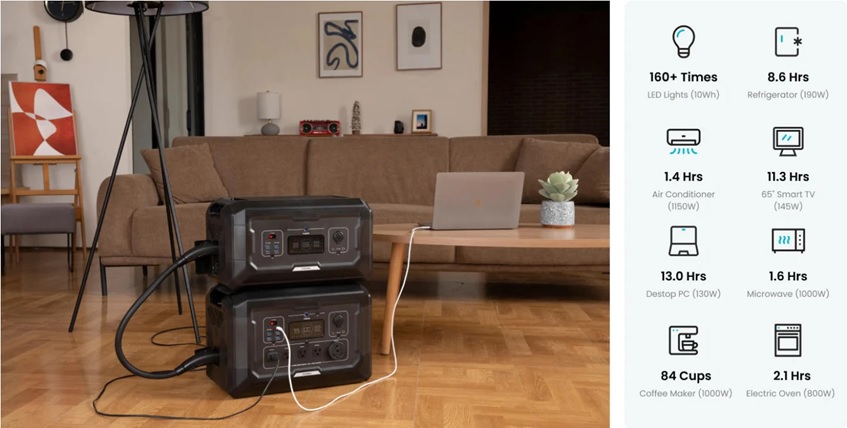
Start by working out your actual energy requirements. Add up the wattage of the devices and appliances you plan to power, and use that figure to determine the minimum system size you need. This prevents both underspending on an insufficient setup and overspending on capacity you will never use.
Think about how and where you will use the system. Portable, compact units are ideal for travel and outdoor use, while larger stationary systems are better suited for home or business installations. Prioritize battery capacity if you live in a region with variable sunlight, and look for systems that can be expanded with additional panels or batteries as your energy needs grow.
The Future of Solar Powered Off-Grid Living
The shift toward renewable energy is accelerating, and solar generators are at the center of it. Technology improvements are steadily pushing efficiency higher while driving costs lower. Public awareness is growing, and what was once considered a niche or alternative lifestyle choice is increasingly seen as a smart and responsible decision.
Government incentives, rebates, and community energy programs are making solar adoption even more accessible. This combination of advancing technology, policy support, and rising awareness is setting the stage for solar powered living to become the norm rather than the exception.
Final Thoughts
Solar powered generators offer a practical, clean, and financially sound alternative to conventional power sources. Whether you are preparing for emergencies, reducing your carbon footprint, cutting long-term energy costs, or building a fully off-grid lifestyle, a well-chosen solar generator system puts you in control of your own energy future and contributes to a cleaner world in the process.
